Prepare your holes! Penis Metal will enter you hard and rough like a strongman named Ricardo whose entire knowledge of making love is informed by skipping ahead in porno movies and watching degradation videos. Much like Ricardo's angry and fast approach to woman parts, Hades Archer's approach to black metal is about as full on as you can wrap your lips around. I think the overall attempt was to create a purely masculine record that no females would want to go near and that only the taughtest of men would appreciate for it's bestial(ity) and hard-on-inducing rage. Even hardened and veteran lionesses will not find any comfort here. Any girl less than Wendy-o-Williams on acid and speed would melt in front of Penis Metal. Get on your knees and suck off the dripping goo that graces the slithering length of this disc because there is nothing here that you can argue with.
Hades Archer are not interested in maturity, songmanship - though it comes through anyway - or appeal. evidenced from the first moments of opening track "The Stretch" is a bombardment of thrusts and pelvic blasphemy aimed at creating a swirling mass of harshness. Bestial Warlust would be so proud of this it would make K.K. Warslut's eyelids get glued closed behind tears and salty crust. The uncompromising rape of this record is so great that it would impress a jury of sexually assaulted soccer moms to the point that they would require rape victims to go through Penis Metal rehabilitation. The immediacy of third track "Dignitas" and the sarcastically paced contrast of "Objeto" is a genius move. With the pacing so punctual and immediate, and with the speed and brevity of Penis Metal forcing awareness before the whole thing falls apart, I would use Penis Metal as an example by which I would measure other contemporary penis metal records to.
Rounding out Penis Metal is a Sodom cover of Pretenders to the Throne. It doesn't really fit and I would much rather have had my asshole filled with the juices of more short and stubby Chilean penis metal tracks. This isn't the most original thing for sure but the whole appeal here is in Hades Archer's obvious appreciation for understanding that these kind of releases are going to go into the collection of some messed up sociopath from Belgium and get played on repeat by unsavory South Americans as they wash the blood from their ball hair. They also end up on the playlists of guys from New Jersey that just love this gritty, no-holds-barred approach to black metal. Penis Metal will coax you to your knees and make you open wide.
One time I was moving and put an absolute shitload of heavy stuff into one particular cardboard box, and it held up without breaking. I mention this, not because Life Against Death crams a lot of heavy stuff into their music but because they are the kind of band that gets the job done, but lacks any real character. This cardboard thrash band’s 22 minute fourth full-length album suffers from a problem that a lot of thrash bands have - being confined by their genre. Now, there is absolutely nothing wrong with being a thrash band, but so many just come across as derivative even when you can’t point to one specific band as a main influence. Derivative bands typically aren’t as interesting and thrash in particular can be a really narrow style. So, what Life Against Death is left with is just a bunch of serviceable thrash riffs. While there isn’t anything here like what you’d hear from the masters of the genre, there isn’t anything bad either. What makes this different from every other thrash band? Well, there are the very energetic vocals, more of a punk feel than the average thrash band, the band is square shaped and corrugated - oops I’m thinking of cardboard boxes again. This ends up being acceptable though, I guess. I have a passion for metal and hey this is metal not boxes.
Still, It’s surprising how medium and average feeling this album is, even down to the riff level. They all feel like bridges you might hear in between the main riffs of an interesting band. I thought this was a demo as I was listening to it rather than the band’s fourth release. But it looks like Life Against Death has had a fair amount of lineup changes, so it is theoretically possible that the ten year old band is still finding its identity. I suppose it is worth mentioning that there are an unexpectedly high amount of low-energy slow shuffling riffs that don’t help anything, e.g “Meat Grin,” “The Poet,” and “Testify.” Still, it is like noticing a lot of extra packing tape on a box and doesn’t matter much. The vocals here are worth noting and alternate between low gutturals and a fairly high thrash rasp that one might expect to come from a female vocalist. The singer, Twitch, has an entirely convincing sense of vocal power, as if she doesn’t need a microphone. No the vocals aren’t mixed too loud, but you can absolutely tell they were delivered with force and it sounds really good. It would be great to hear the band keep up with the dynamic energy of the vocal work here, but that just doesn’t happen and nothing else is good, or bad.
There can be something very unsatisfying about an overwhelmingly middle of the road band that isn’t bad or good. Here, part of that is from how the band doesn’t vary the range of the guitars enough or create a dynamic sense of melody with their riffs. The melody is so constrained in either range, tempo or rhythm that everything blends together; and thus there is no movement. Thrash needs movement. There isn’t exactly an abundance of different riffs on these songs, but it would be speculation to say that the band needs to use more since they’d probably just fail to create energy more often. A better way to think of this release is to imagine all of the things that could go wrong and that need to go right when music happens. Then imagine none of those things happening. The most likely route for improvement would to have the band take more creative input from the vocalist who better understands how to make music.
Antistasis are a band that has been wandering around the New Jersey metal scene for a while and pop out of the woodwork now and then to play a show or two when their guitarist isn't breaking his bones. He apparently tore his kneecap at a show in North Jersey. That's pretty awesome in my opinion but ultimately it doesn't translate to satisfactory music. I'm pretty certain the band has members of numerous other projects and groups. I know that bassist Kevin Lopez from Gorematory gave up the bass and joined on drums and guitarist Jesse sounds familiar as well. Either way, the band gifted me this demo a couple years back when Oz played Champs Bar and Grille. As I am apt to criticize, CDr demos are usually poor representations of a band and, for just a little more money and effort, can be improved significantly. At least Antistasis made an attempt here to give some sort of artwork with the release - a sticker stuck on the case acts as a front cover and another decal on the disc offers some artwork there. It's a small effort but at least shows a band trying in some sort. A lack of any information on the song titles or band members or general additional information hurts though. Also, the lack of the demo's actual title is retarded. I had to go out of my way and look up the band's bio online to hopefully find the name of this thing. I had always called it Antistasis's Oz Show Demo... Tsk tsk boys.
Musically, the band has moved on from earlier black death thrash confusion to at least narrow down their sound - a sound that sounds a lot like early Death or Slayer - possibly too much like early Death and Slayer. The Death influence is obvious from the second track, "Circle of the Seven Skulls" which is very much a Scream Bloody Gore d-side that would never have made it onto the bonus tracks after all other options were exhausted. The lead solo is pretty horrendous, and the vocals, performed in the style of a Tom Araya doppelganger, provide little flavor to the music and instead seem simply as a way to express mundane lyrics about skulls and rites and other evil material that no one has heard of before. "Albatross," on of the strangest song titles for a band doing 80's death metal, is similar in many ways and has the exact same problems. The vocals while better here, are glued over boring verse riffs and the lyrics, clearly audible - which is in fact a nice feature of the album - are generic and uninteresting.
"Nuclear Winter" shares nothing in common with Sodom's classic track and immediately negates the song by naming it as such. Apparently the band was originally called Nuclear Winter or something but still, I don't understand why bands use the same titles as classic well known songs when there is no chance of trumping them. It's like naming your band Iron Maiden or Judas Priest or Lucretia and the Hangar 18s, knowing you can't challenge the originals in any possible way. So after I went and listened to all of Persecution Mania, an album I've not actually sat through for a good two or three years, I returned to the final Antistasis track. A pleasant clean guitar strums out an intro and melts into another intro which then pauses into another short intro. Endless chugging ensues for the duration of the track. Flat drums mimic cooking apparatuses and the whole thing is repeated a few times with vocals and numerous guitar flubs. Maybe one or two acceptable riffs are present but it's not enough to warrant re-listening. Antistasis have at least found their sound, albeit it's a sound that's incredible hard to live up to. Their bigger challenge is going to be actually writing powerful and blistering tunes because if all they've got is what's in this bag here and now, they might as well empty the bag and move on.
Empire of the Scourged call themselves an avant-garde industrial death metal band. For once, a band has categorized themselves with a certain degree of accuracy. With Transcend Into Oblivion they set a path forward which is sure to grab the attention of death metal fans and industrial fans a like. Their presentation is modern and sharp and visually gripping. The cover art for Transcend is a welcome change from the gore-obsessed and it's subtle innuendo is just extreme as the most viscera-splattered decomposing twelve-year old covered in excrement. Gas masks in a field of daisies somewhere on the Eastern Front as the crows fly overhead all drenched in a bloody crimson. It sounds bland and lame, yes, but it's actually far from having the feel of some deathcore band with an indecipherable witty name. It ties well to the music which is also sharp, stylized and unashamedly modern. The industrial elements tie into the death metal well, create unique textures and an interesting listen.
Opening track, "Der Wanderer Uber Dem Nebelsee," the only German titled track on this EP, sets off the listen rather adequately. The siren in the intro, though it connects with the imagery of the release, is too mundane for this recording, especially with the creative use of chirps, synthesizer noises, samples and general textural adventurism which is evidenced throughout the track. Some clean vocals are hidden in a memorable interlude section which might last too long. "Hollow Machinations of the Foul Spirited" is a heavier track, layered with eerie keys and thick tremolo guitar riffs and is similar in many ways to final track "A Scarred Horizon" which also is the most death metal centered song on on the release. The songs are heavy, fast and have a lot of unique ideas thrown into them. With the standout identifier for Empire of the Scourged in these track still being the industrial aspects, I think that the band needs to figure out when to let loose without the keys and without the samples. Songs like these, death metal and grind at their heart, would be served well by allowing some riffs to breathe while using the alienesque tones and textures of the synthesizers to emphasize and highlight and select moments.
"Trapped In This Massive Process" is probably my favorite track on the release due to the integration of all the elements that Empire of the Scourged attempt to pull into their sound. It's the most realized example of what I would like to hear on a full length. It's decisively death metal tinged with grindcore and split with industrial segments that invoke the experience of being on an assembly line where bodies are being pulled apart and reconfigured as eyes and brains are kept functioning through mechanical and unnatural methods. With the track leading into the nightmarish "Foul Machinations of a Hollow Spirit," somehow connected to the similarly named second track, these are the best moments. Hammered piano keys, female vocals and atonal textural percussion parts come into each others range and collide head on with the death metal drumming and guitar riffs. These two tracks emphasize what Empire of the Scourged do best with this release - the industrial soundscapes. While the death metal components are acceptable, this would sound very disjointed without the samples and synthesizers providing avenues for the riffs to meet each other. Even within the chaos, Empire need to make sure their songs follow some sort of composition which makes them sound more like songs and less like riffs and samples pasted over each other. Transcend Into Oblivion isn't bad at all but you can tell that this is still project finding their footing.
Emphasis in the media is decisively anti-local music. Even on radio stations, there is little attention paid to what exists without our own backyards. It's unfortunate because a band like Lionel Pryor transcends so many different genres that there is little here that wouldn't appeal to someone. While the foundation of hardcore, metal and rock are very much on display and lend the consistency to an album like Siam, it's all the subtle influences which really stand out after several listens. The fact that this is instrumental also really aids in preventing many of the dismissals that often accompany metal genre. Opening track "Nebraska" is highly rhythmic and syncopated yet swirling guitar riffs and an overall sludgy vibe appeal to those with dirty taste. It sets a great tone for the album. "Apex Being" is more of a melodic death metal, metalcore track that would appeal to fans of God Forbid, Killswitch Engage or any number of the metalcore bands which blindsided the world in the late 90's early 2000's. "Green Woods" is an electronic filler which funkily wanders in and out. It sounds like a really long slowed down excerpt from the early scene in the Matrix before Neo wakes up in his Jell-o filled pod. "White Panther" takes a lot from classics like The Clash or The Cranberries. New-Age lives here.
"Labour" - spelled with a British flourish, possibly to represent their efforts of Colonialism in South Africa and the slave trade - is a filler which leads into "Goat Weed," definitely the most metallic titled track on the album which should appeal to fans of stoners and should inspire those that enjoy this track to check out Acrimony's 1996 split with Iron Rainbow and the song "Mother Slug". "Lysis" is a peaceful and wonderful long-player at seven minutes that isn't too different from some of the newer Enslaved material such as that off Ruun or cleaner moments from Ihsahn's solo material. "America in the 1980's" is purposely hazy and final track "Blight Dragon' is a soothing mixture of free jazz, electronics and fusion acts such as Return to Forever and Mahavishnu Orchestra. As yet unmentioned, it's really third track "Caster Troy" which highlights the album. Named after the Face-Off character played by both Nicholas Cage and John Travolta, the track is a rampaging highlight of the band's talents, especially bassist Andy Longo, who basically taps the entire song. It will undoubtedly remind many of Tool's seminal, "Schism." It's incredibly catchy, as much can and should be when it's instrumental. Generally speaking, the greatest aspect of this album is how those with a short musical attention span can listen to it, and not get too bored. It's not one of Rogga Johansson's million Swedish death metal projects that use and abuse the same riffs over and over; every song is a pristine singularity on the album, but part of the greater experience as well. These guys kill live also. Keep an eye on local bulletins and their facebook page for dates. It's a good time.
Ehnahre’s experiment “Old Earth” is a triumphant display of tension. Through pulling, stretching, and withholding, the band makes quiet musical anticipations as exhilarating and satisfying as the discordant swirls of notes they precede. “Old Earth” is, in a way, an extreme metal version of flirtation. Despite this, the mood ranges from gloomy to furious (unsurprising given that the lyrics are adapted from Samuel Beckett’s work of the same name). This music is like watching video of the Tacoma Narrows Bridge collapse on continuous loop, and having the video reverse at the time of collapse. The band expertly builds on ominous melodic sways that naturally feed on themselves to transform into absolutely cataclysmic chaos, which in turn just as naturally subside back into worrisome sways. Even with all of “Old Earth’s” fluctuations, the album is a cohesive statement. In the 38-odd minutes divided into four songs, nearly every note feels necessary.
Variation is an extremely delicate quality in music. Too much of it and you end up with a forgettable mush of notes and too little and you end up with boring repetition - either extreme is bad. Here, the chaotic variation is balanced out by the band’s orderly use of leitmotif. Rather than using pure and bland repetition, the band uses similar shorts phrases and sometimes the same note pattern in different ways and contexts. This clever approach simultaneously creates both variation and coherence. One typical example of this remarkable songwriting happens in “Old Earth II,” where at around 2:25 the double bass plays a very distinctive figure with a large melodic jump (a major seventh) used twice. Later in the song at around 7:30 this melody very quietly repeats, but with a regular bass and with the guitar replacing the low note from the melodic jump. This kind of repetition with changes in both instrumentation and pitch is the subtle kind of song-crafting that makes this release so cohesive yet dynamic. To point out what may not be glaringly obvious, this particular melodic pattern was distinctive enough to be recognizable five minutes later even when the band wasn’t being blunt about using it. “Old Earth” has many fragments like this that interweave to connect the album together, thin cables holding up and releasing a 2,000 meter long bridge.
I almost can not believe it; despite the masterful attention to detail, the sense of cohesion, and even premeditation, “Old Earth” paradoxically sounds so natural that it feels like the band sat down and improvised the entire album in one sitting. However, this is not a jam session where everyone takes turns in the spotlight while the rest of the band does predictable stuff that is easy to play over. Instead, Ehnahre is not a band with multiple members, but a single organism that just happens to occupy the bodies of different people. Even when making unexpected changes, the interactions are so fluid and natural that it is difficult to think of the band members as individuals rather than simply Ehnahre. A very clear and jarring exception to this however is the trumpet section in the later part of “Old Earth II.” These trumpets are discordant, but in a way that is not part of the band’s hive-mind. The session musicians’ parts do not have the same fluid timing sense or even sit as well in the mix. While not at all bad, the trumpets notable for straying from the excellence elsewhere on the album. The only other part of the album that specifically falters is how the otherwise stellar percussion takes a random stroll towards the end of the double bass section on “Old Earth II.” While someone was probably getting creative with brushes on the snare, that person may as well have been struggling to open up a snack bag. For a fair amount of time this is a little bit distracting, like a person thumbing some plastic food wrapper during a movie. Again, this isn’t overly bad, but it sticks out from the album’s overall excellence.
Given the overall unity, listening to this album is a non-interruptible endeavor. While the track separations are not arbitrary, they are also unneeded because the album contains many climaxes and thematic changes. The first song “Old Earth I” demonstrates this with the first real notes of the album ringing out almost four minutes in. Even with such a long wait, the quiet humming, radio noises, and background sounds are useful. This buildup makes the first soft clean notes on the increasingly fuzzy electric guitar more powerful and heavier than what most bands can do with walls of distortion - and then the walls of distortion repeatedly come and go! One facet of the repeated build-ups is how each band member has strong control over their volume. A wonderful contrast, given how dynamically flat so much music is. Even the harsh vocals range from raspy squeaks, to shouts, to guttural howls, all while maintaing a sense of raw power.
While the double bass is not a typical instrument for metal, here it melds with the music perfectly. Ryan McGuire masterfully uses the instrument’s range to the fullest effect, and the bass notes help to hold the music together. This happens elsewhere on the album with bass notes; the bass guitar uses its even rhythm as a strong glue to reign in wandering notes like a tall shepherd corralling sheep simply by walking. In tandem with this, the guitar often acts more like an instrumental wanderer. While this paints an excellent picture of emptiness and disarray, it also makes the band tread fairly close to randomness, yet without ever crossing that line. Sparse and quiet parts of the album come the closest to this feeling - the entropy death of the universe, instead of lonely atoms slowing down Ehnahre has notes that are so sparse that it is almost hard for them to have chemistry with one another. But, “Old Earth’s” dark matter-esque cohesion holds the album together.
Finally, take special note of the final track because “Old Earth IV” starts off with the album’s highest climix, which is made all the more energetic by its somber context. The astringent howling vocals here are unforgettable and supported by a rich swirl of tremolo picked guitars. Somehow this section feels so alien yet unfailingly memorable that it will disabuse listeners of the idea that music must be trite or poppy to be catchy. As elsewhere, this section smoothly transitions, but here it ultimately ends with a somber call and response section peppered with ultra-low notes and intertwined with drums meticulously winding down the energy levels to silence. A perfect end to a brilliant album.
Skepsis dumped this short steamy load into my unwilling palms at the same Fates Warning show that delivered Optic's demo into my clutches and which opened my eyes to the god-awful and cunningly incognito Halcyon Way. I don't know how I managed to get through that show alive now that I think of it. If it wasn't for excellent sets from Magus Beast and Fates Warning, my three hour drive to Amnityville, Long Island would have been a total shitfest. Predictably, for a young group of musicians, there's not a lot here to really dig into. The two songs are a measly seven minutes long, a bit shorter than would be desireable as a first listen. One more track would be nice, preferrably a track which incorporated less of the screaming styled vocals and more of the clean vocals which might be better or might be as lame as a perfectly scooped ice cream cone getting knocked on the floor as soon as you touch your tongue to it.
Opening track "New World Order" is heavy with screamed vocals suitable in a scream-o band in the verses and the chorus are your typical clean dross. The best part of the band is the guitar work, but that's nothing that isn't available elsewhere and the predictable and run-of-the-mill melodic progressions are the hallmarks of a band that doesn't quite have their own style yet. "Colors of War" is a little better and decisively boring melodic thrash, utilizing clean vocals throughout and not falling prey to the whole amatuerish scream-o vibes of the first track. The song falters early though with some poorly executed off-time chugs. I don't know Skepsis... there's work still to be done here. Coming from New Jersey, land of piss-poor screamo and Killswitch Engage... this is about the last thing I give a shit about.
It's rare to get a perfectly balanced combination of genres. The norm is to lean a bit off to one side as if in a drunken stupor. Solothus however are as two perfectly halved and ripe fruit, perfectly joined in the middle and then delivered on a plate made of dusty bones. Ritual of the Horned Skull is pretty much what Satan dreamed of before casting himself into paradise and tempting Eve to eat from the forbidden tree. It's a delicious snack that reminds of what some hard-nosed metal can offer. Half of the fruit is the somber bitterness of doom while the other half is moist and sweet death metal. When it comes to demo tapes, and a demo tape is what this is - though I got the promo as a demo cdr to be dubbed to tape by myself later since the awesome Nihilistic Holocaust sent me the J-card - four tracks as strong and as diverse as these offer more than many full lengths. As much as I hate to admit it, I find it way easier to offer a short burst of energetic listening to a twenty-minute tape than a marathon album.
Ritual of the Horned Skull opens with the weakest track though. "A Call to War" feels out of place just a bit thematically but closer examination reveals that it also is a newer song. The remaining three tracks are exhumed from the older 2011 demo with the same title as the release under the microscope here. Hints of the older tracks and their more drawn out doominess still pokes through on this track during the lead sections. "A Call to War" is a bit faster though, and even though I like it less, it's the most appropriate opener for this tape. "Throne of Bones" crawls itself into some top-notch Swedish death metal similar to Mandatory's Where They Bleed EP or doomier versions of Entombed's slow moments from Left Hand Path. Lacking is a production quite as murky but what isn't ruined is the feel of age here. There is nothing obviously modern and there is an unabashed rawness. Deathevokation's debut demotape is another point of reference for overall approach to both "Throne of Bones" as well as the entire album - even if Solothus lacks any depressing acoustic passages. Key though is the equal amounts of Death and Doom here.
A rummage through the occult vibes of "Embrace the Cold," a that climbs into the air like a wisp is still heavy as smog due to a monstrous clunky bass tone and ugly melodies played with some creepy effects. It points out how Solothus use repetition and subtle details to create enjoyably simple yet totally rewarding dirges. The mid-song weaving of notes and melodies here is an impressive example of frolicking guitars that make you want to skip to your own demise... happily. It's not hard to imagine differing visions and places which these songs might appear. Maybe you're the torturer, and this is your theme song as you enter the chamber with your famous tools of pain. It's the cue for enjoying a miserable harrowing experience. "Darkness Gathers Here at Night" retains this vibe as well and the pairing of these two songs is key to the continuity of the tracks. After removing the tongue and eyeballs of the victim, gentle pokes with hot prongs while the bridge plays in the background is enough to make one go insane. Left to wander the world blind and unable to speak, the victims of Solothus stagger around the world humming the happy-go-lucky death hymns of their masochistic wardens.
Tyrants Blood is an exciting death/black metal band hailing from Vancouver Canada whose members also happen to possess a fine metal pedigree. Here we get a chance to hear from Marco Banco, the band's guitar player on his thoughts about the band's music, particularly their 2013 "Into the Kingdom of Graves" full length, his own musical history, and of course what is in store for the future. Stay awhile and listen.
Apteronotus: Hello Marco! How are you doing today? For the sake of anyone unfamiliar with the projects you have worked on in the past, how would you describe your musical history?
Marco Banco: Hi, I'm good thanks. The projects I did in the past are; Witches Hammer
from 1984 to 1989, Blasphemy from 1989 to 1993, a bunch of local bands
between 93 to 98 that I filled in for on studio work, song writing and
live shows. Now of course, Tyrants Blood, since August 2005 until now.
Apteronotus: Along the same lines, what has the journey with Tyrants Blood been like so far for you?
Marco Banco: Well
we started hammering out songs, and trying to get our original drummer, and founder, Kevin Volatile, up to speed on how to perform extremely
aggressive and brutal music, as he had not played in this fashion
before.
By 2006 we had
our solid lineup, and put together the songs that are on the first
release. After that recording we began writing an E.P , but unfortunately
Kevin was not able to keep up with the way the riffs were moving, so
we lost him and hired on Matt Blood from Abuse.
Since then we
have recorded our 2007 e.p., and 2 more full lengths with pretty much
the same lineup, except that our original vocalist, Andrew Russell,
moved into the north and was replaced by Infernal majesty vocalist Brian
Messiah back in 2008.
Apteronotus: How do you feel about the amount of attention that has been given to your work in Blasphemy?
Marco Banco: It's good, the internet, especially back in the myspace days, really made them popular back around 2003. Since then, they have really had a resurgence that has worked well for them. Personally, I'm proud to have been a part of that time, but also satisfied that its in the past also.
Apteronotus: What is the
story behind the very first time you started playing the guitar? What,
if anything, made you pick the guitar of all instruments?
Marco Banco: I was
going to play guitar no matter what. From the first time I listened to
my dads Chuck Berry and Stones albums, I knew what I wanted to do
there. From my earliest memories of sneaking into my cousins basement,
and staring at those Kizz, Sabbath, Nugent posters and albums, I was
fascinated and instantaneously chained to its allure.
I would say it
all became an addiction really. No matter how much my parents wanted me
to learn Piano and Brass, I always grabbed the bass at school band,
until I finally got a guitar and never put the damned thing down since.
Apteronotus: Tyrants
Blood has several years of history as a group now, and y’all are
experienced musicians at this point. How does that influence your
musical process?
Marco Banco: I
say it makes thing quite smooth as far as writing goes. At this point,
we are able to find what we need fairly easily, and use many different
styles and techniques in putting together a song when we want to.
Not to
mention, it also makes live performances move along properly, because we
know what we need to do without becoming lost on stage or the road.
Apteronotus: How does the songwriting arrangement usually work in Tyrants Blood?
Marco Banco: Usually
someone will bring in a song idea, sometimes the song will be written
in its entirety, but it rarely stays intact. What will happen then is
whomever has some ideas will add their time changes, riff ideas etc. and
we decide whether it works or not until we feel the tune is completed. At that point,
I'll usually get an idea lyrically, or have them written already. Or
what happens a lot of times, is Vinnie will have a story line he'll want
myself or Brian to read and conceptualize lyrics for the tune that way.
Apteronotus: A lot of
the time on “Into the Kingdom of Graves” the band gives each member a
chance to be heard more as an individual: the vocal intro to the album,
the bass intro to “Disowned and Defiled,” the instrumental and drumless
“Within Outer Scars,” guitar solos, and massive drums fills throughout.
How did these kinds of musical interchanges come about on the album?
Marco Banco: Naturally,
they fall into place simply because they work for us. A lot of that
stuff just goes by because of feel as we're jamming out the song to see
how it plays out. Those parts will fall into place like that almost
subconsciously many times. We'll often record the song and then shape it
from there, so that it fits together properly.
Apteronotus: What kind
of gear do you think is best for what you have been playing, is there
any other kind of gear/equipment out there you wish you had access to?
Marco Banco: I
think there are a lot of types of gear now that work well for this
style. You really have to look at it all to decide for yourself, because
the market for guitars, amps, effects, rack systems is vast.
I used Peavey for years and moved to Mesa Boogie now. But there is still tried and true Marshall, Laney, Roland, Crate, Line 6, Orange, Black Star, Jackson, Gibson, ESP, Ampeg, Carvin, Washburn, Ibanez, Dean, Ludwig, Pearl, and on and on and on and on. I have access to everything, so I am satisfied with my choice for now.
Apteronotus: What is up next for Tyrants Blood? What made the band decide to do the “Coven” compilation?
Marco Banco: Lets
see, we have some shows to do here from March until May, and then we
have an E.P. that we just wrote that needs to be recorded, a Live album
from our European tour last year that needs a bit of mixing and also a
Scandinavian, European tour that we are putting the plans together for
also. Lots of stuff going on.
Tridroid
records approached us to to a digital album of our past material from
our first 3 releases, we decided to let them run with it. Never had a
digital only release before, so that will be interesting to watch and
see where that goes. Its compiled as a sort of "best of" album,with about 3 or 4 tracks off each one.
Apteronotus: What are your own personal musical plans for the future, short-term
and long-term? Can you ever imagine getting sick of writing, playing,
and performing metal?
Marco Banco: Write
now, I have some short term goals with the band I'd like to accomplish
that were answered in the last question, then from there long term I'd
say that another full length for sure, and then getting us off into Asia
would be great as far as touring goes.
Apteronotus: What would
your ideal tour situation be like in terms of location, travel
arrangements, brand of beer in the keg, other bands playing, etc.?
Marco Banco: I
suppose going wherever , whenever, on our own terms.I don't really have a
specific brand of alcohol or other bands I am dying to perform
with.There are all kinds of those out there , and we're good to go all
the time, so whenever with whomever really. We've met and performed with a ton of great acts, so anybody will do from that roster. But just to have the freedom to go at our own leisure would be where its at.
Apteronotus: What
specifically do you and the rest of the band do to try to make Tyrants
Blood stand out from the countless other bands out there?
Marco Banco: hmm,
well when we started this band, the city we are from was terrible as
far as metal acts are concerned, a real d rated talent roster. So we
knew right from the gate that we were going to be bringing a pretty
deadly game to a dead city. Since that time though, the talent has picked
up considerably, and so what we do is basically be ourselves. We are not trying to be, or wanting to be, or impressed by or influenced or looking up to anybody. We are what we are, heavy, fast and uncompromising as far as bending to any fashion or outside influence. We leave that weak shit for the rest to eat, and we dont give a rats ass what anybody else is ''trying'' to become.
Apteronotus: Are there any particular movies, books, or non-musical types of artwork that have inspired you musically?
Marco Banco: For sure; As a kid ,
movies like Dawn of the Dead, Evil Dead,The Exorcist, Nosferatu, Fire and
Ice, Heavy metal, etc. these movies had an big impression on me. Books like
Dragons tears, The Shining, Suffer the Children, Hellfire, and series by
Dean Koonts and Clive Barker, Lovecraft, Robert E. Howard, all were HUGELY
influential on me.
Apteronotus: Just for fun, below is an ink-blot similar to those used in Rorschach tests. What do you see in this image?
Marco Banco: I see two strange birds facing each other.
Apteronotus: What are the downsides of playing in a metal band in your experience as a musician?
Marco Banco: A
bunch of artists all trying to paint a similar picture on one canvas,
good luck if your an A moral personality suffering from any form of
anxiety, depression, ADD, panic attacks or high blood pressure. luckily
for me, I do not have these issues. I find this stuff challenging and a good time. I know that many musicians find this impossible to cope with and drop out. In fact you
have to find what some find hard as a good time, and what others see as
hard as easy to make this type of foray work for you I think. Of course
Im speculating a bit on this, because its not an issue for me, but only
from a perspective of what I have seen over the years.
Apteronotus: Thanks for taking the time to do this interview! Any final comments or anything you would like to add?
Marco Banco: Yeah sure, thanks for taking an interest and your support. For what you do in the music scene, it is a lot of work. All power to the underground and to all the Hell bangers, firebreathers, witches, black metal skinheads and destroyers out there.
Colosus is a one man black metal band with music that comes nowhere close to the enormity such band name would suggest. While taking cues from the more somber and wistful moods of black metal’s often maligned DSBM sub-genre, Colosus’s barren “Blestem” is firmly in the atmospheric school of black metal, which can also be maligned a bit in this case. Imagining a castrated and stripped down Walknut provides for a good starting point in understanding Colosus’s sound. “Blestem” also invites comparisons to Coldworld due to the cover track “Red Snow” and from the dry electric fuzzy approach. “Blestem” is certainly more organic and warmer than anything from Coldworld, (not that that says much) but in deviating from that extreme production approach Colosus also becomes much more indiscernible. A stale atmospheric band with less atmosphere than Mars.
A colossal problem on “Blestem” is the inclination towards ambient filler, and when all is accounted for time-wise the album is about 30% filler. Accounting is a revealing word here because the ambient sections make the listener ask questions like “how much is left?” “how long has this gone on for?” and “is this a prudent investment of time?” The answers to these questions do not bode well for Colosus. Ambient sections here are filler because they are overwhelmingly unnecessary and flat. An example of the unnecessary aspect is how the very first song is a four minute ambient track, presumably acting as an overly long introduction for the album. The very next song however has about a minute and a half intro of its own. Flatness on the other hand is most obvious on the excruciating title track “Blestem,” which is essentially one note extended over four and a half minutes with interjections of bass rumbles and random screaming. Even the act of describing this song leaves me in disbelief, I had tried listening to it many times before realizing it was essentially one long shimmering note. While enormously terrible, this is slightly less worse than one would expect a single note song would be. This is because the song comas away consciousness or induces what psychologists refer to as song skipping behavior, a coping mechanism also known as avoidance. Speaking of psychology, it’s possible that these ambient parts might be an influence from dsbm - weaving the inclinations towards self harm into the fabric of the music itself by using these parts to commit musical suicide.
Filler aside, the rest of the music isn’t terrible. Light and slow synths progressions have guitars draped over, often with tremolo picking to create that familiar black metal wall. This is enough to give off the impression of grandeur but Colosus doesn’t execute it effectively as the riffs lack much depth. Each of the palatable notes seem to switch off without much foundation of mood or more than a vague relationship to one another. Part of this is caused by the abundance of whole-note transitions, giving the progressions an especially predictable and slow character. Small melodic figures are often stretched out over a long period of time. Large parts of the album consist of shifting between two chords or the use of figures with just a handful of notes to build songs. This could be fine but there is little rhythmic variation and as noted above the note choices lack a sense of melodic curve. While the drums are varied enough to provide some sense of drive with their stalwart beats and able fills, the vocals contribute very little to the music. A more verbose vocal style would be a good vehicle to add depth through a overarching melody over these songs. Instead, the vocals act as a flourish of little consequence. These issues all paint a barren backdrop to all ready dry music, which makes the liberal use of flat ambient sections all the more tiresome. Imagine a tech-death band using guitar solos as a break from techy-stuff. This dances around the main issue a bit though, the variation problem is only an issue of inelegantly changing between two different musical problems.
With an album that is over an hour long, the amount of filler appears puzzling until one also considers the melodic stretching and repetition throughout the album: “Blestem” lacks enough ideas to support its own weight. As an aftermath of this the album turns from something that could have been fine, if run of the mill, and degrades into unpleasant territory. It should be apparent that a large portion of the review has been about ambient laziness that takes up less than a third of the album. Music’s quality however cannot be translated into pure mathematics, and on this album that truth demonstrates itself through the major and negative impact these parts have. Sometimes an awful third makes for a bad whole, especially when the remainder was nothing special to begin with.
The extreme end of technical death metal is a masturbation contest, and this guy just won the masturbation contest. It's so technical, it's so hard, you deserve a fucking medal for being hard! Take every bit of commentary in the mid-00s wank-deaf scene and pile it on here, because this album is nothing but a war cry for prog-loser bukkake. It's got everything from completley over-the-top, inane shredding to drumming that sounds like a seizure. The unnaturally jerky, spastic wanking on all instruments is extremely tasteless and nonstop. The drum tones are the most obnoxiously clicky drum samples I've ever heard. The worst part are the nu-metal rhythm guitar tones, complete with some technical nu-metal bro-downs that should make fans of Periphery take note. It's completely tasteless, completely directionless, and conceptually meaningless. It's so bad that it makes me see redeeming value in Soulfly's "Jumpdafuckup."
This one man-band is a machine! All of those years at Berklee, those eight-hour days of practice, the long hours in a rehearsal room just to slide your hands up and down the neck of a guitar as quickly as possible. A decade behind a drum kit doing your best impression of Shiva on PCP and LSD. A pathetic and pitiful waste of talent that would be, to make complete garbage with that skill set. Fortunately, there's no talent being wasted here as it's all synthesized, the most glorified MIDI bullshit you've heard since Wintersun's last album. If a semen stain were a shotgun blast on sheet music, this is what it would look and sound like. In fact, that's probably how this was conceived. Should've been tossed in the trash can and disposed of with shame.
This album lowered the bar. Lower your bar, you fucking wanker, this is garbage.
A goat's skull surrounded by two concentric circles, in turn adorned four times by the a the Nintendo seal of quality with a triangle containing the Type O Negative logo. That sounds so much more interesting than a goat and some symbols and designs that have the aesthetic value of black metal clip art! It might even be a good logo for an Illuminati-themed steakhouse, but to speculate as to that is to conceptually escape the grip of an album that figuratively lacks salt and pepper shakers, though it might come with a bottle of ketchup. That's not to say that this band doesn't have some good ideas, they're just presented like a small fries in a paper sack with ketchup packets.
There are some good ideas here - at times the guitars and vocals remind me of a one-guitar version of Unanimated's "Ancient God of Evil". It's certainly blackened, but the melodic, slightly muted tremolo riffing feels more like melodic death metal, particularly like Unanimated, though without anywhere near the same intensity. The song structures are weaker though, they're simplistic but feel drawn out with repetition due to the lack of flair and nuance. The beginning of "Eyes of the Necromancer" is an example, a simple pattern that is a bit reminiscent of a certain Verge song, but lacks the supporting cast, so it's just an arpeggio that resounds but doesn't build to the abrupt speed of the onset of the song. The black metal side doesn't shine at all due to the complete lack of atmosphere - it's dull production that sounds like a very dulled death metal demo, which is a poor contrast for this style.
The positive aspect to this demo is that there are some fragments of ideas that could be good if they are worked out. The negative side is that these are unrealized ideas and there's hardly any listening value to it.
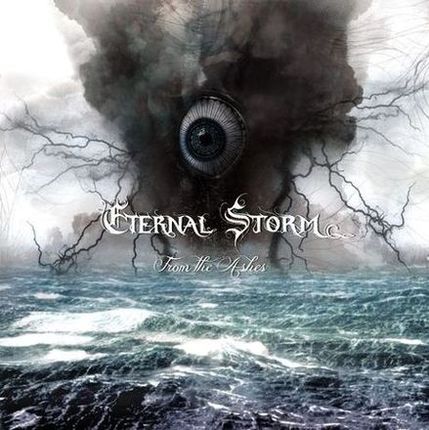
Eternal Storm are a melodic death metal band, following the school of post-2000 Dark Tranquillity. That's it, review is over. That's all that needs to be said. OK, you get the point, I'll continue. They've got the style down, with a relatively modern sound with a few nods to the older Gothenburg style while sounding firmly like something from the last decade, though thankfully without keyboards. They perform well, they've got the aesthetics and the style down, and they play it fairly well. It's competent, but it's completely lackluster - sounds nice while listening, but it goes in one ear and out the other. Monkey see, monkey do.
The earlier songs lean towards melodeath/metalcore, while the latter ones could fit in with any of the generic Finnish DT wannabes. There's a complete lack of character in the vocal performance and the guitar work borrows the forms, but none of the purpose. They open and close with some acoustic pieces which are adequately performed, but feel more like a backing to something than a piece which the focus is on. Both the performance and the production lack the emotional charge and feeling of the old Gothenburg bands where pieces like that carried the feeling of the album rather than feeling like nothing more than bookends. That's how the whole album feels, like they're copying other melodeath bands with no real direction nor purpose to it. It's precise and unadorned to a fault. It's upbeat and pop-tinged melodeath without a purpose to the melodies or any residual feeling of the darkness of death metal to it.
Technically adequate but absolutely soulless music. It's surface-deep and these guys just don't get it.
Aesthetics are often the most noted aspect of black metal, an image that reflects the imagery and atmosphere of the music. The grainy black-and-white silhouette of Transilvanian Hunger - itself an homage to Mayhem, or the selective obscurity of the LLN - imitated often, but to little effect. These images paired with the sound, Darkthrone's being a bare, stripped-down shadow, and the LLN having a very rough sound with a very strong ideology and foundation beneath it. Here we have a band from San Francisco with a Peptobismol-colored cover bearing only a title of a ritual of darkening that is nearly foreign to black metal, California's favorite way of getting skin cancer. "It's different!" it exclaims, espousing an alleged virtue that sets it apart from the other records in the store - or, let's be realistic, the other thumbnails on YouTube.
Deafheaven collide headfirst with the predicament of imitation in black metal, and keep going. When black metal was first commercialized in the mid 90s, there was quickly a flood of second-rate bands who softened it up with a friendlier formula - a bit of blasting fury stretched out into long, wandering songs with acoustic interludes - back then it was sugared up with keyboards, now it's sweetened with major scales and the folky interludes are now post-rock. Despite the superficial updates to the aesthetic appeal, it still follows the same failures - overlong songs that go nowhere for no reason and only hope that the listener follows the trail of candy. Grim gothic/black metal may be a thing of the past, but the same follies are found here without facepaint. A new shade of gloss over the same poor construction, an hour with four songs and interludes. A bitter man once told me that this album was just a repackaging of Orchid's "Gatefold" - at two and a half times the length, this album takes that title at face value. That style of minute-long busts of fury becomes horribly deformed when stretched to 10-15 minutes, like trying to perfectly straighten a paper clip then reshape it to its original form. Dip it in sugar to make rock candy and someone will eat it up.
Same old shortcomings, new superficial gimmick. Yay, Peptobismol!
Shroud Eater, for the first time in about two weeks here at Contaminated Tones, is a band that actually has a cool name to match their music. No offense to Hedlok or Dismemberment, but you can take a lesson here. Names matter. Shroud Eater from the quaint village of Miami, Florida sounds nothing like the tropical bustle or bikini clad sands of the famous seaside city. Instead, on Dead Ends, we get a slow smoky effort that mixes the best of sludge and doom into a cesspool of lights-out, night-worshipping soundtracks that create a perfect atmosphere for late night boozing, early morning toking or mid-day sleazing. Electric Wizard's early material is a good starting point but where Shroud Eater separate themselves is in the clarity of their murk and the precision of their fuzzed out spaces. For a three-person unit, Shroud Eater are thick and full and substantial. There is no thinness, no one-sidedness, no lack of anything required. The balance of guitars and bass on this album is textbook.
Displays of this doomy sludge are visible across the whole release, from opening tone-piece "Cannibals" to personal favorite "Lord of the Sword" straight through pummeling closer "The Star and the Serpent." Each song is distinguishable and it's own dungeon. With a brick-and-mortar simplicity, each song, though varied is held together by the band's standout characteristic approach to memorable rhythms, intelligently placed breaks and the dual-vocal attack of guitarist Jeannie Saiz and bassist Janette Valentine.Their vocal approach is unique as it's almost a gang chant / yell but with a sense of pitch to it that, without knowing, wouldn't be distinguishable immediately as a female's. While most of the album is the slick riffed monster that we've come to love from power-trio bands that skirt through this ether of genre-blending, occasionally, as in "Lord of the Sword" the band finds themselves tackling more open spaces with slow dribbles of melancholy and doomish atmospheres tackled with ringing chords and flourishes that find themselves about as home on Dead Ends as mud at a construction site. "Sudden Plague" draws forth some punk influence but what stands out here is how much it reminds me of Hivelords' debut full length last year which I loved, even if this is a bucketful less black.
With Shroud Eater pulling elements into each song and setting them in place like expert brick-layers, it's hard to point out any individual negatives here. At times, it's possible that Shroud Eater sound a little too simplistic. At moments, there almost could be more added to the stripped down murk they've concocted, I suppose. Sometimes breaks between notes can sound empty and hollow. Those would really be the only things I could think of being negatives but in response to myself, I could say that the album should be as minimalist as it is and the quieter in-between moments offer nice juxtaposition to the faster heavier moments. Fans of Eyehategod would definitely like this as would Converge fans looking for something slower. Really anyone into Doom alternatives and the heavy stoned out outcroppings of their genres would find some solace here, particularly a track like "Tempest" which culminates with a rocking schuss of bluesy riffs.
A clear favorite of mine for the past few months, Sweden's Mortalicum have been hammering out excellent Doom and Heavy Metal since 2006. With two albums out on Metal on Metal records, debut Progress of Doom and follow-up The Endtime Prophecy, Mortalicum's next release could push the band into the heaving seas of the doom world, which they will surely ride into a gloriously somber and symbolic sunset. Crisp and clean riffs, memorable lyrics, strong vcocals... Mortalicum have everything a fan of bands like Sabbath, Pentagram, Saint Vitus and Deep Purple love. Bassist Patrick Backlund offered some time between the recording, mixing and mastering of their new album, "Tears From the Grave," to answer some quick questions. Orion: How did Mortalicum form? Where did you all meet each other?
Patrick Backlund: Well, it started back in 2006 when I had the first ideas of putting a band together again. During the first year it was almost only a studio project of mine, but after a while and after some line-up changes things started to happen and we (Henrik, Andreas and myself) have been working as a band since early 2009. Mikael was also in the band from 2007, but decided to quit in early 2013. From then we have been working as a power-trio and it actually was like a new start for us and it made us remaining three to work even more focused on our parts in the songs.
Orion: Was the decision to play Doom conscious or did it just naturally end up that way when you started jamming?
PB: At the beginning, when it was only me who tried out some songs, it was more than doom. But when Henrik started with the vocals it was already decided to focus on the heavier side of the music, so you can absolutely say it is something that has naturally evolved while jamming. Though, we play not pure doom. We have quite a lot of old school metal and classic hard rock in our music as well.
Orion: You guys are from Sundsvall, a Swedish town not known for any major metal bands. There doesn't seem to be a huge Doom scene from your city. Is it difficult to find gigs with similar bands? What is touring / gigging like in your part of Sweden?
PB: Yes, it’s not easy since we are the only band in our region playing doom (at least what I know). However, doom is quite common in Sweden and we currently have two shows booked together with our label-mates in the southern part of Sweden. We do not play much in our home-town, but plan to do a show in March.
Orion: You obviously have a huge Doom influence but you also show hints of classic rock and hard rock influences. What bands have been influential to the sound of Mortalicum and what bands, if any, do you look to for inspiration?
PB: Black Sabbath is the main influence, but also the many great bands and sounds of the 70’s and 80’s. All the classic and good stuff!
Orion: Tell me about your first album, Progress of Doom. In my opinion, it's a really strong debut for the style of Metal you play. There's a lot of strong moments on the album. How did the deal with Metal on Metal records come to happen and how have they been to work with? I assume you've been happy since you also released The Endtime Prophecy with them.
PB: Thanks! Many of the songs hails from the period before the band was actually started. We finished the recording of that album on only four days plus another couple of days for mixing. The basic tracks (drums, bass and guitars) were recorded “live” in a local studio during two days and Henrik used one day for all vocals and one day for all leads. Quite crazy when you think of it, but that’s also the reason there are a few unpolished parts in there. When all was finished we put the song Into the Night up on our MySpace-page which grabbed the attention of Metal on Metal Records. Yes, we are really happy with the label. They are the real deal when it comes to Metal! Our next album will also be released on that label.
Orion: There seems to be a real working-man's energy to the tracks, especially a song like "Power and Control", which happens to be one of my favorites from the album. This is also prevalent in "Revolution in Vain," and "Inner Peace." You're lyrics are all very down-to earth but the themes hint at some real emotional events / feelings. What are your thoughts on the album's lyrics and can you shed some light on the themes and concepts which you were inspired by for this album? It seems a little different lyrically than on The Endtime Prophecy.
PB: The songs on Progress of Doom are written as single songs while many of the songs on The Endtime Prophecy are connected with each other. I don’t see myself as a great lyricist, that maybe the reason they seem down to earth. It’s hard to tell what inspires you to write and I always think I will never be able to write another lyric, but then a phrase, title or riff hits you and the words start to come together. Many of the songs on Progress of Doom share the soul (in different aspects) as the common theme.
Orion: "The Voyager" has a different feel than a lot of the other tracks on the album. It also seems to be far more upbeat and positive than other tracks. Can you shine some light onto this track?
PB: Well, basically it was just a great riff and it also in a way pays tribute to the rock part of the hard rock from the 70’ that we enjoy.
Orion: You released The Endtime Prophecy last year. It's gotten a lot of good reviews. The album is done really well and, I would have included it in my best of lists if I had heard it last year. You seem to have spent a lot of time on it. The songs are a little different to my ears, more doomy, less hard rock. Was there a difference in the writing for this album or was the subtle changes just part of the growing process? What differences do you hear on The Endtime Prophecy compared to Progress of Doom?
PB: Your kind words are much appreciated! The biggest change was most definitely a part of the growing process. We worked more as a band for this one when it came to writing the music.
Orion: Lyrically, there seems to be a greater focus on the self, as opposed to outward at society and larger themes. Your thoughts on the lyrics on the album? What's your favorite song, lyrically, and why?
PB: Personally I like the red line between the songs "Endtime Prophecy", "Devil’s Hand", "Embracing our Doom" and "The End." It’s like a mini concept within the album. It’s basically about our sun being a star that eventually will die out.
Orion: "Ballad of a Sorrowful Man." Tell me about the inclusion of this track on the album and about this song?
PB: Well, for starters it’s the kind of music I really like, with much emotion in melodies and solos. My opinion is also that it was needed to create a good mix of songs on the album.
Orion: Being a Doom band, from Sweden, do you feel a heavier expectation about what you guys should sound like compared to say, what you would imagine a Doom band from Russia would feel? Sweden is one of those countries which is known for their Doom.
PB: Not really, but you will of course always be compared to other bands from your country.
Orion: You've played some large shows and smaller shows I'm sure. What have been some of your most memorable - both good and bad - events playing live and why?
PB: We’ve actually only played smaller shows and festivals, and most have been great experiences. The festival in Wakefield and the classy Malta Doom Metal Festival stands out as the most memorable ones, in a good way of course! The opportunity to play to fans of the genre is so rewarding and during these festivals you meet so many old and new friends and fans, plus you get to see other great bands perform!
Orion: If I were to go to your house right now, what five albums would I be most likely to hear from your stereo system?
PB: You might get to hear Black Sabbath Mob Rules, Deep Purple Burn, Thin Lizzy Fighting, Blackfoot Strikes and maybe something of the older stuff from Saxon, AC/DC, Whitesnake or Lynyrd Skynyrd.
Orion: You're working on a new album as well? What are you current plans for that? What can we expect as far as songs, and style with this new release? Will there be any super long epic doom tracks or will you keep the tracks at a more reasonable length like on the first two albums?
PB: We have actually just finished the long writing, rehearsing, recording, mixing and mastering –process! We were delayed three months last year due to Andreas breaking his ankle. That is not a good thing for a drummer to do… Anyways, there will be nine songs included on the album. In general the songs are longer and many are doomier than before. The longest ones are 9:30 and 11:15 and the others are from 8min down to the more reasonable 4min. So, it will be a longer album than the previous two, but still with a good mix of songs. I can also promise a couple of really great and long guitar solos. I love those, so I always try to find ways to get them in there!
Orion: When can we expect a release of the new album? What will you guys be doing between then and now to help promote the release?
PB: The release is planned for end of April and like I mentioned earlier, we are scheduled to play a couple of shows in March, at the first edition of a doom festival in south of Sweden called Doom Over Scania. We really look forward to that!
Orion: Thanks for your time and killer tunes! Any last words before we digitally depart!?
PB: Thank you for this interview. Highly appreciated! Support the underground!!!